
Have you ever thought about how accessible Italy will be when you understand how the local transport system operates before you even arrive? Moving between famous sights is quicker and cheaper once you know the road rules. You save time, avoid overpriced taxis, and the struggle with stations. This guide ensures that you have a smooth trip from the moment your plane touches the tarmac, so that you can make the most of your time here.
Rome: Fast Tracks to the Icons
 Understanding the system
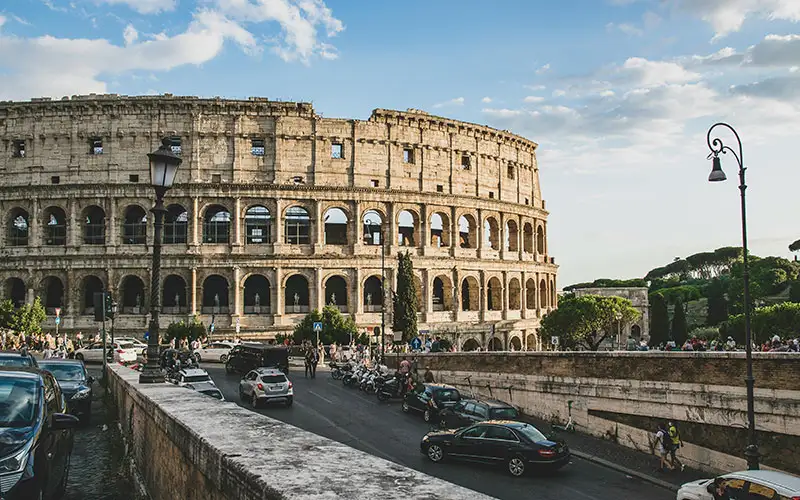
Rome’s metro gets you to most of the big landmarks fast, and buses fill in the gaps in old areas, keeping your day stress-free. Your tour under the ancient streets also gets you close to the Colosseum, Vatican, and Spanish Steps with little or no walking involved. Most tourists who have learned the Canotti map in Rome will also take advantage of public transport in Rome. Research on getting around Rome helps you figure out stops to choose your hotel and must-see destinations.
Planning your days
Tourists and visitors to historic sites generally choose a 3-day Rome itinerary that relies on frequent running of metro lines A and B. When you have several places planned, you keep the cost low by opting for daily or multi-day passes. Rome tour packages are also popular for travelers who want their airport transfers and museum entries taken care of in advance. And if you’re also frothing over southern Italy, a direct service from Termini in Rome to the Naples trains takes out the guesswork for day trips.
Ticket basics that help
Purchasing a ticket seems easy once you understand where the machines are near station entrances and tabacchi shops. You validate your ticket before getting on a metro or a bus. Buses also run further down classic neighborhoods, reaching into restaurants and smaller piazzas that trains bypass. You make sense of everything by checking times on local apps, and that’s how you keep your days flowing.
 Featured
Milan: Speed in a Fashion Capital
 Why Milan moves differently
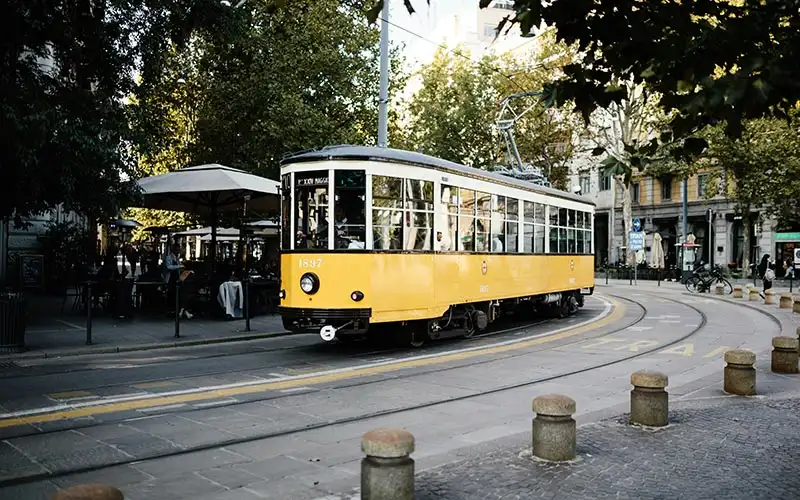
Milan has the nation’s largest metro system, and it’ll whisk you around to stadiums, museums, and shopping districts. Many visitors love the high frequency of trains for saving time on busy travel days. In Milan, the convenience of using apps like Moovit or ATM Milano is a great bonus because digital tickets are held safely on your mobile phone. Milan public transport guides help you choose quick routes to reach Duomo and Centrale Station.
Trams and more
Buses and trams get you to streets where the metro doesn’t reach, and that makes all corners of the city readily accessible. You learn the names of lines quickly because everything remains well-marked. Modern systems accept contactless payment cards, which are less cumbersome than paper tickets on quick trips. That mix of learning means you can enjoy comfort without learning anything complicated.
Florence: Art, History, and Simple Connections
 Moving through smaller streets
Florence keeps things compact, so most attractions appear close enough to walk between. Buses and trams help when your stay extends beyond the old center, especially near stations and markets. Visitors staying just outside busy areas usually check public transportation in Florence tips for quick morning commutes. Many guides highlight how Florence’s public transport stays comfortable even when the city gets busy during summer.
Plan based on distance
If your hotel sits a little farther out, understanding how to get around Florence gives you confidence while planning dinner reservations. You benefit from digital tickets when you rush between places since machines sometimes attract long lines. Seeing world-famous galleries and bridges becomes easier once you know which line passes nearby. Organized trips like Florence tour packages often include tickets for smooth museum access and quick transit.
 Featured
Venice: Boats Instead of Buses
 Moving through canals
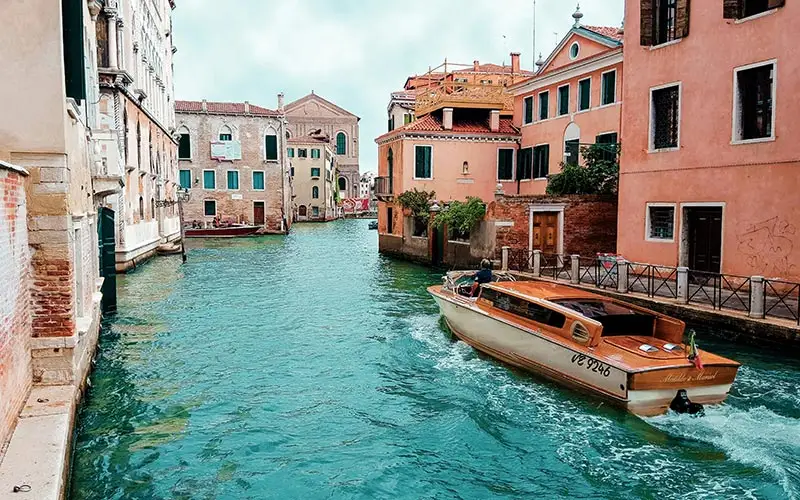
Water replaces wheels here, and that changes your entire idea of public travel. Routes run through beautiful views, but timing matters since crowds gather around major attractions. If you check Venice public transport details early, you stay prepared for busy docks and longer waits. Some travelers check getting around Venice advice because you pick the boat that matches the island where you sleep.
Pick passes smartly
Your best value in a canal city comes from daily or multi-day boat passes, especially when your hotel sits far from San Marco or Rialto. Practical choices help you see more without draining your wallet. People who want everything sorted often choose Venice tour packages, which may include boat rides between places. Travelers read lists of the best places to visit in Italy that often put Venice at the top for good reason.
Featured
Naples: Energy and Coastline Access
 A network with character
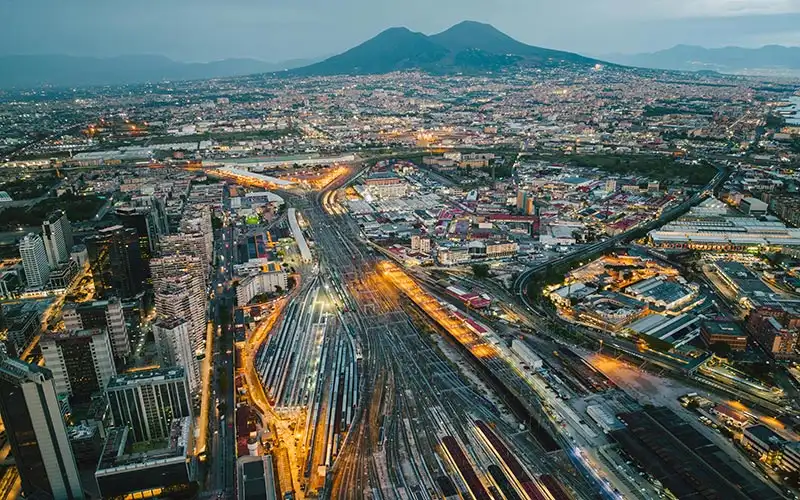
Naples has quick access with a network of metro, cable railways, and local trains across the coast. The fast line serves major neighborhoods without long waits. Local maps help you select stations close to seaside walks and famous food streets. You’ll save yourself time if you know how to use Naples’ public transport before setting out each day.
Easy beyond the city
It’s easy enough to reach Pompeii or local beaches with the suburban train service operating at frequent intervals. By simply deciding which station fits your plan for the day, you stay organized. Many guides tell you which line heads to Mt. Vesuvius, so you reach major sights without hassle.
National Travel Smarts
City travel rules to learn early
You will navigate well when you understand the public transport in Italy updates about validating your ticket. A little preparation can go a long way, because each city has slightly different rules. Simple errors, such as forgetting to get your ticket validated, add up quickly, so knowing the right steps can save money. You need to find out which card or ticket works before you tap in.
Cross-country movement made easy
Trains are your B.F.F. for longer hauls, and they feel quicker than driving. Most travelers who are figuring out how to travel in Italy will go for high-speed trains that make long routes feel shorter. This puts Milan, Florence, Rome, and Naples in proximity to one another. Train info also comes in handy when getting around Italy for day trips that link towns and the countryside.
Local flexibility and confidence
When thinking about Italy’s public transportation, comfort and accessibility are always the first things mentioned. Digital apps will also show you delays and changes so your timing remains rock solid. Street signs point you in the right direction, whether or not you understand the language. Organized travelers look at schedules in advance and avoid the stress altogether.
More tools for your city plans
Routes also come in handy when you read through the public transport in Italy tips that will explain zones in each city. You can save time by knowing which metro or tram takes you straight to your destination, rather than just stopping there. A water travel offers more fun than a mundane bus ride in places like Venice. People familiar with Rome’s public transport already know that some places need buses more than trains.
Smart Tips for Moving Smoothly Around Italian Cities
- Apps guide you when getting around Italy feels unfamiliar, and you reach stops confidently every time. Short walks finish most routes, which helps you notice new corners of the city.
- Good route guidance keeps getting around Florence simple through narrow streets, so you avoid confusion during busy days. Each ride teaches you something, and future trips feel easier.
- Boats make getting around Venice a fun part of the day because canals show stunning views while you move. Lists like the best places to visit in Italy make city switching exciting since destinations stay close by with fast connections.
- You compare options in Rome public transport, with trams or boats, when choosing the quickest ride. Systems feel easy after a couple of trips because everything stays logical.
- Booking Rome tour packages or Florence tour packages removes planning stress and keeps your focus on sightseeing.
- Travelers pick Venice tour packages to skip long ticket lines and enjoy smooth boarding between islands.
- Sea views appear quickly when Naples’ public transport connects you to the coast within minutes. City and nature blend easily, which keeps your days refreshed.
- Strong nationwide links in Italian public transport make long journeys shorter and comfort comfortable. Travel feels exciting because moving stays simple.
 Featured
Featured
Featured
 Featured
Conclusion
Italy seems simpler once you know how the transport system in each city functions prior to your visit. Refer to this guide so you can feel confident and travel smart each day of your vacation.
FAQs
