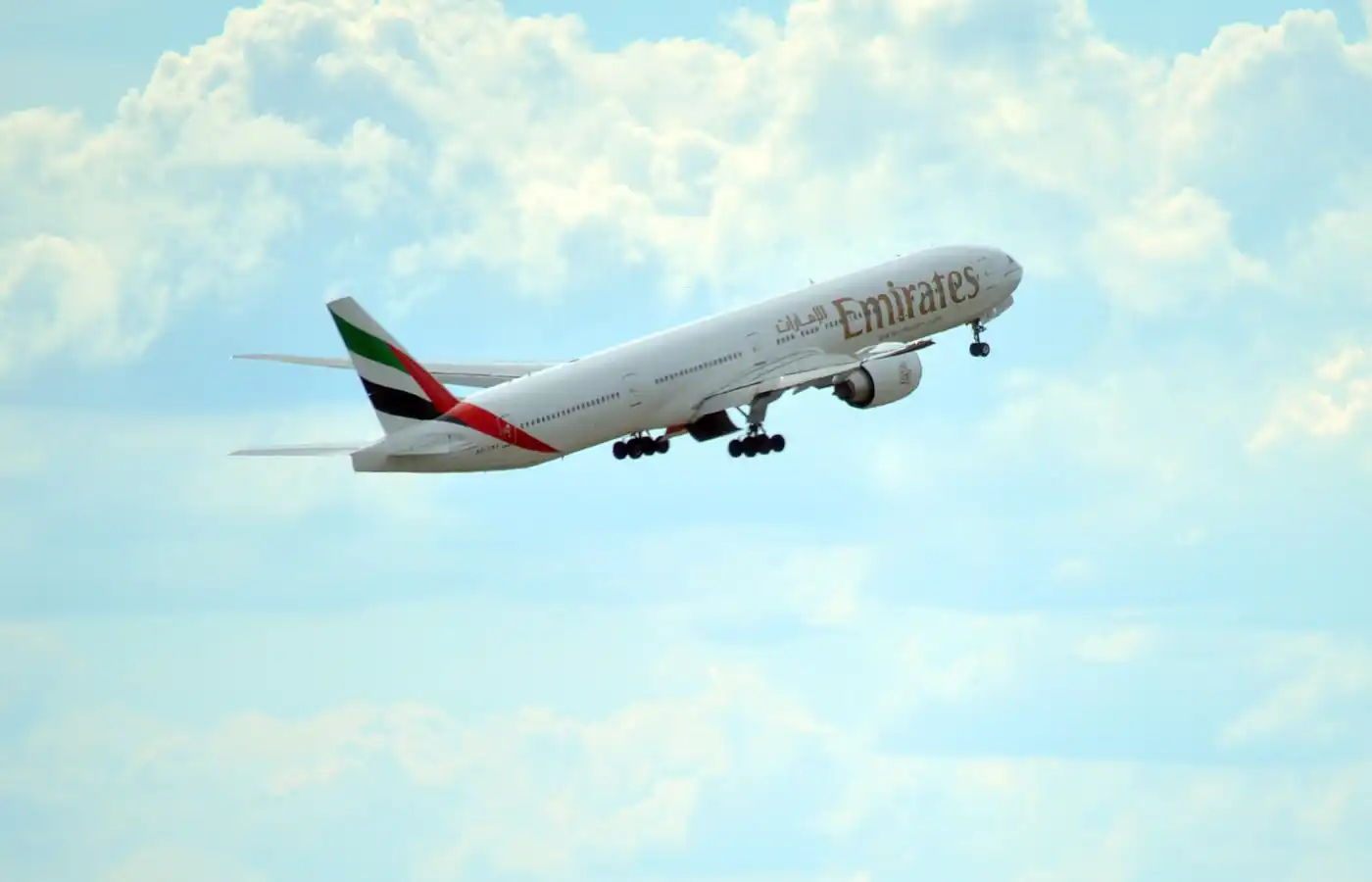
Global airlines are continuing to adjust flight routes and schedules as aviation regulators issue advisories regarding certain areas of Middle Eastern airspace. These developments highlight the dynamic nature of international aviation operations, where safety considerations play a central role in route planning.
Civil aviation authorities worldwide monitor geopolitical developments and assess potential risks to commercial aviation. When tensions increase in certain regions, regulators may issue advisories recommending airlines avoid specific airspace corridors or operate with additional caution.
Recent advisories issued by aviation authorities such as the European Union Aviation Safety Agency have prompted airlines to reconsider flight paths that pass through certain parts of the Middle East. Airlines are responding by rerouting aircraft along alternative corridors to maintain safe operations.
These rerouting measures can affect flights traveling between Asia, Europe, and North America, many of which traditionally pass through the Middle East due to its geographic location between major continents.
When airlines reroute flights, the most common impact for passengers is longer travel time. Aircraft may take alternative paths that add additional distance to the journey. Airlines must also adjust fuel planning, crew schedules, and aircraft rotations to accommodate these changes.
Despite these adjustments, aviation experts emphasize that rerouting flights is a normal operational response designed to maintain passenger safety. Airlines regularly adjust routes due to weather conditions, volcanic activity, or geopolitical developments.
Airports across the Gulf region continue to operate normally, handling both passenger and cargo flights. Dubai International Airport, Abu Dhabi International Airport, and Hamad International Airport in Doha remain key global transit hubs for international travel.
The Dubai Department of Economy and Tourism advises travelers to monitor official travel updates and airline communications for the most accurate information. Travelers should also ensure that their travel documents, visas, and insurance policies are valid before departure.
Passengers who have upcoming travel plans should regularly check their airline booking status and allow extra time for travel where possible. Airlines usually notify passengers directly if there are schedule changes or route adjustments.
The global aviation industry has extensive systems in place to monitor risks and maintain safety. Airlines work closely with air traffic control authorities, international regulators, and security agencies to ensure that flights operate safely even during complex geopolitical situations.
For travelers, the key takeaway is to stay informed through official channels. While rerouted flights may cause minor delays or longer travel times, these measures are implemented to ensure the highest standards of aviation safety.
As the situation continues to evolve, airlines and aviation authorities will continue to adapt operations accordingly. Travelers who remain informed and flexible in their travel planning can still navigate international travel safely and efficiently.