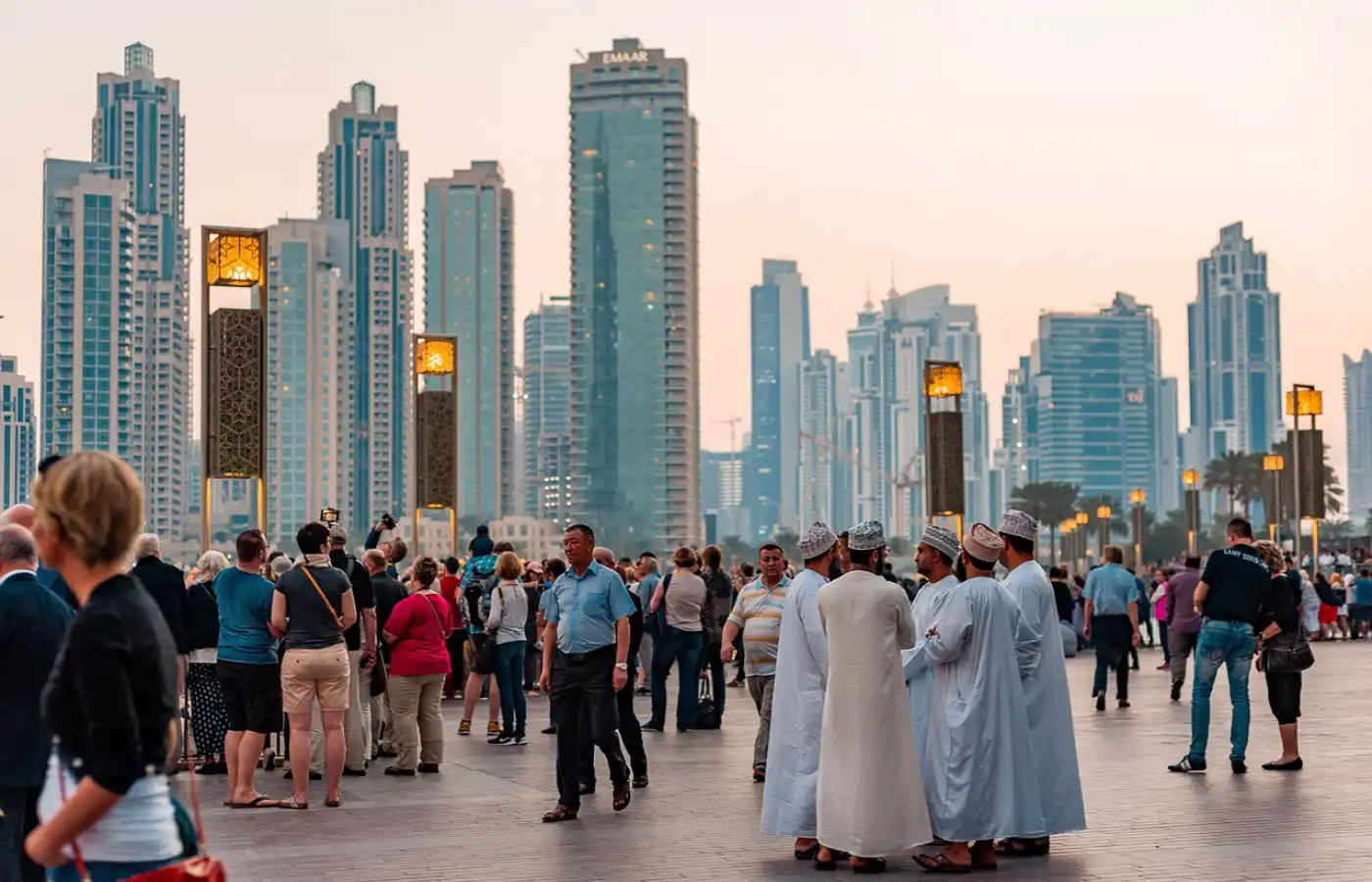
Dubai is taking a significant step toward transforming itself into a more pedestrian-friendly destination, with authorities advancing plans to enhance walkability across the city as part of a long-term urban development strategy.
The initiative, known as the Dubai Walk Master Plan, aims to reshape how residents and visitors move around the city by reducing reliance on cars and improving pedestrian infrastructure. The plan forms a key part of the broader Dubai Urban Plan 2040, which focuses on sustainable mobility, improved quality of life, and better connectivity between communities.
Under the initiative, Dubai plans to develop more than 6,000 kilometres of walkways across the emirate, covering around 160 areas. The project will include pedestrian-friendly streets, shaded pathways, and enhanced public spaces designed to make walking a practical and comfortable option throughout the year.
One of the first projects under this plan is the redevelopment of the historic Al Ras district, where a 12-kilometre pedestrian walkway will be introduced. The route is expected to connect major heritage landmarks, public spaces, and transport hubs, improving accessibility while preserving the cultural identity of the area.
Officials say the project goes beyond infrastructure development and aims to create a more integrated urban experience. The walkways will be designed to link residential areas with commercial districts, public transport systems, and tourist attractions, making it easier for people to navigate the city without relying entirely on vehicles.
The plan also aligns with Dubai’s ambition to become a “20-minute city,” where residents can access essential services such as schools, workplaces, and leisure facilities within a short distance. By improving walkability, authorities aim to encourage healthier lifestyles, reduce traffic congestion, and promote environmental sustainability.
To support year-round pedestrian activity, the walkways will incorporate climate-responsive features such as shaded areas, cooling systems, landscaped zones, and smart navigation tools. These elements are particularly important in a city known for high temperatures, ensuring that walking remains a viable mode of transport even during warmer months.
The initiative also includes plans for 110 pedestrian bridges and underpasses, which will help connect different parts of the city and eliminate barriers between communities. In addition, digital wayfinding systems and smart mobility solutions are expected to enhance the overall pedestrian experience.
Dubai has traditionally been known as a car-centric city, but the new strategy reflects a shift toward more sustainable and people-focused urban planning. Authorities believe that improving walkability will not only benefit residents but also enhance the city’s appeal as a global tourism destination.
For visitors, the development of walkable districts means easier access to cultural attractions, retail areas, and waterfront destinations. Popular areas such as City Walk—already a partially pedestrianised lifestyle destination—highlight the growing demand for walkable urban spaces in Dubai.
Industry experts note that walkable cities tend to boost tourism, increase retail activity, and improve overall visitor experience. As Dubai continues to expand its infrastructure, the focus on pedestrian-friendly design is expected to play a key role in shaping the future of travel and urban living in the emirate.
With initial projects already underway, Dubai’s vision of becoming a more walkable, connected, and sustainable city is steadily moving from concept to reality.