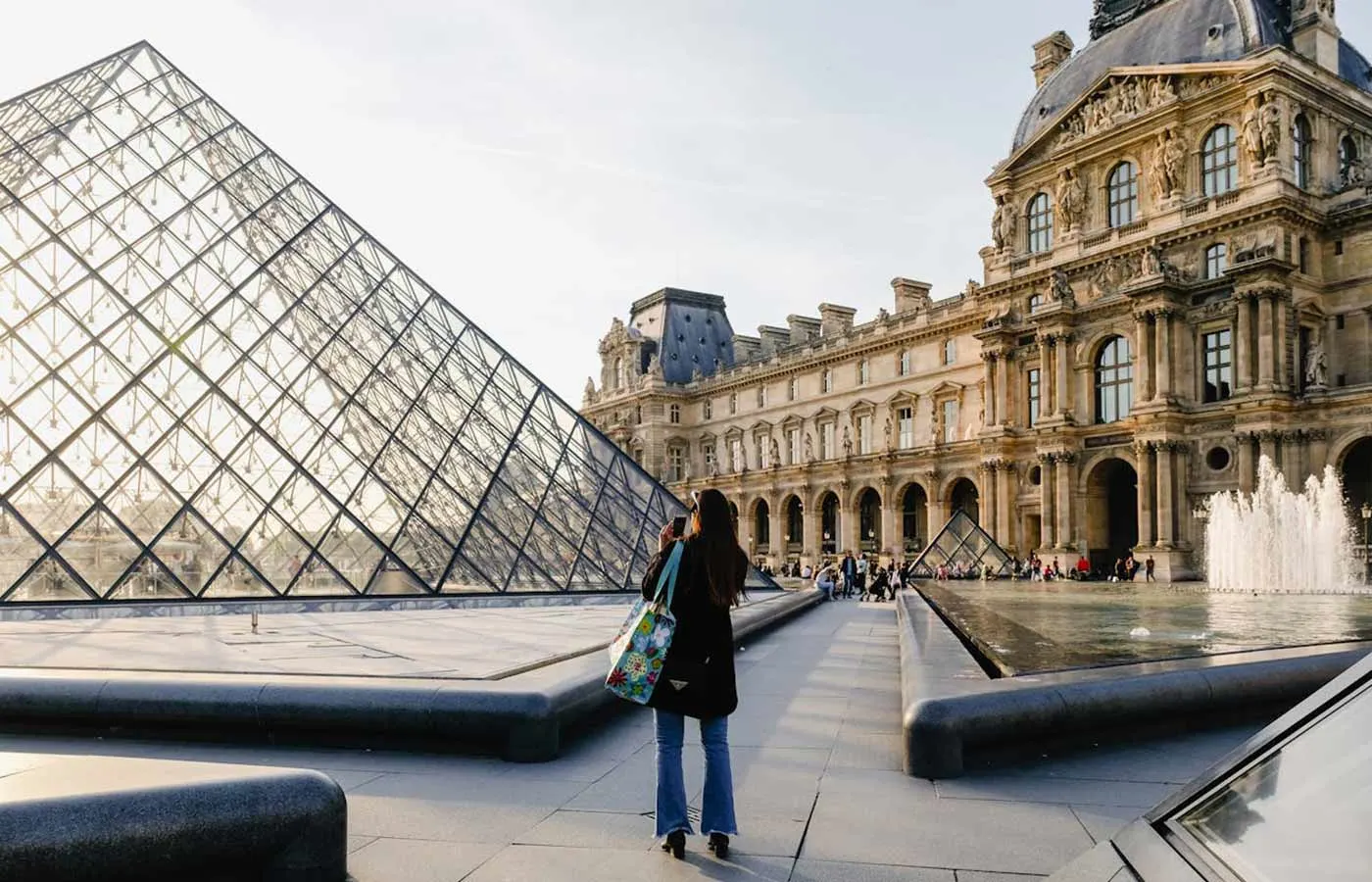
If you’re planning your first European adventure, it’s easy to get overwhelmed by time, routes, and choices. The European city breaks series solves that issue, making travel quick, concise, and easy to understand. This guide is for new travelers looking for definitive plans, straightforward transport, and well-paced sightseeing days. You wind up with cities that respect your time, back your pace, and take a little pressure off travel.
Cities That Make Your First Europe Trip Feel Easy
1. Paris: Romance That Feels Manageable
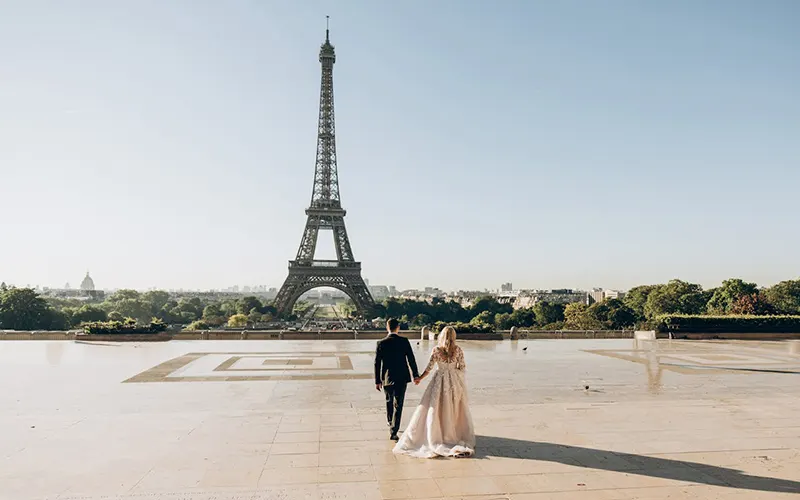 Paris is the ideal destination for a romantic European city break because world-famous attractions are located close to each other. Walking slowly, on streets or in cafés and museums without confusing directions and long transfers makes it easier. Paris packages are popular with travelers because you keep everything organized and still have plenty of free evenings. Your first European stop feels more streamlined when landmarks appear connected, not bunched together.
How to reach from Paris airport: Metro trains and taxis
 Featured
2. Rome: History Without Overload
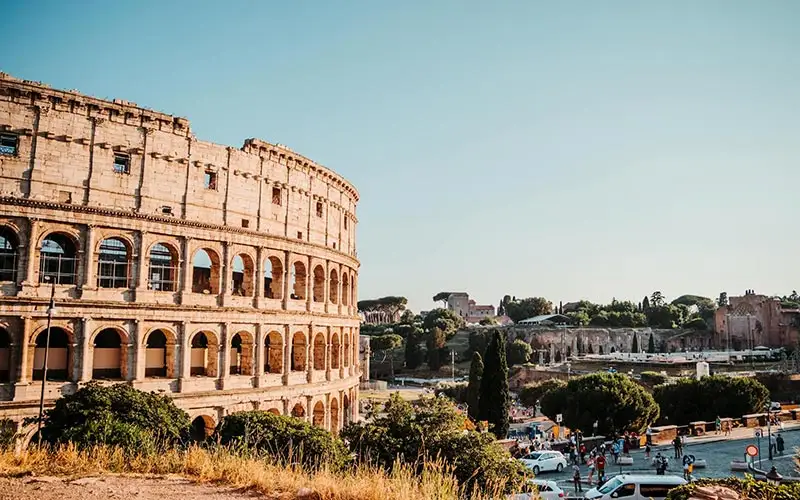 Rome remains an incredibly strong choice for city breaks in Europe tourists who value history without the hassle of careful planning. Old sites feel right up against modern streets, and days pass evenly and easily. It is particularly popular with first-time visitors, who opt for Rome holiday packages, since the central location spares you from unwieldy daily travel challenges.
How to reach from Rome airport: Airport train and taxis
 Featured
3. Barcelona: Culture With Coastal Balance
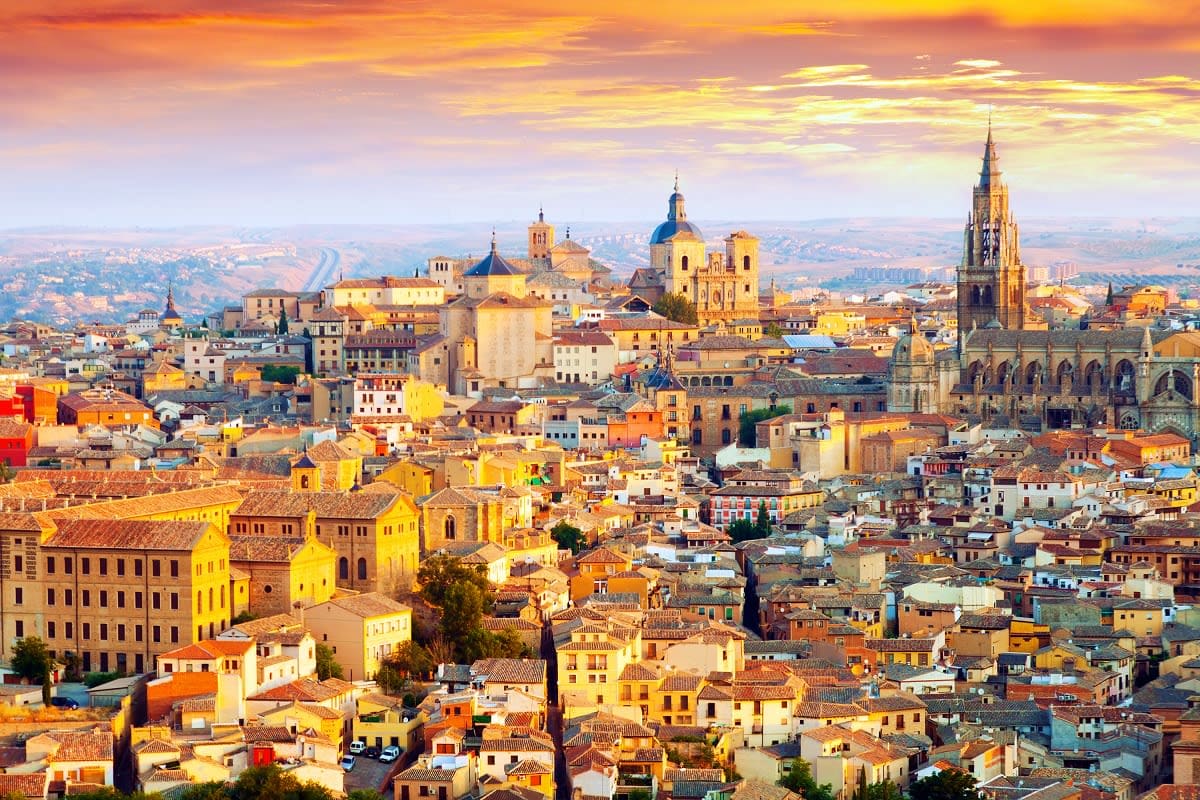
Barcelona is ideal for great city breaks in Europe with beaches, food streets, and architecture in the vicinity. Even for first-time international travelers managing international transport for the first time, the city layout feels cohesive and logical. Barcelona tour packages tend to pay more attention to the core districts and make relatively short trips each day. Your days are busy but comfortable, and without running wildly across the city.
How to reach from Barcelona airport: Metro and shuttle buses
 Featured
4. Amsterdam: Calm Streets And Clear Systems
 The best city breaks are supported by simple transport and safe streets. Canals, museums, and markets are near, so you won’t have to do much complex logistical planning. Amsterdam packages generally have a lot to offer in terms of centrally located spots and reduce the daily commuting hassle.
How to reach from Amsterdam airport: Direct train connections
 Featured
5. Prague: Fairytale Streets Made Simple
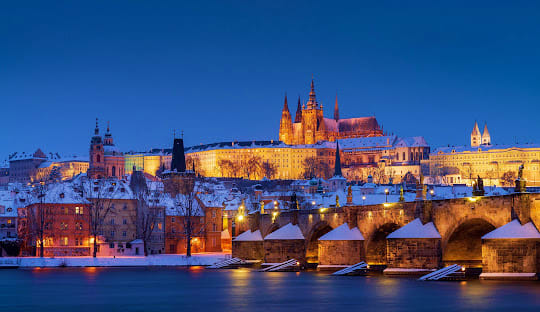
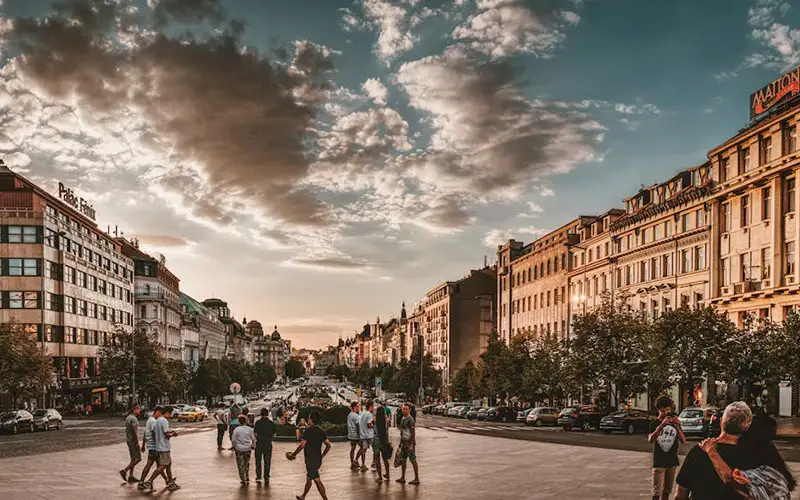 Prague is made for short breaks for European travelers who are in need of beauty without packed schedules. Old Town and castle areas are still walkable and visually stimulating. Many people like the idea of a Prague holiday package as hotels are in proximity to historical areas. It’s easier to appreciate architecture when everything remains within comfortable walking distance.
How to reach from Prague airport: Bus and metro lines
 Featured
 Featured
6. Vienna: Order With Elegance
Vienna is popular among European city break holiday makers looking for easy-going and peaceful environment. Transport routes link the museums, cafés, and music halls. Vienna tour packages tend to concentrate on the city centre areas for shorter travel days. Transport timetables are predictable, and the signage is clear.
How to reach from Vienna airport: City Airport Train
 Featured
 Featured
7. Budapest: Scenic Views Without Rush
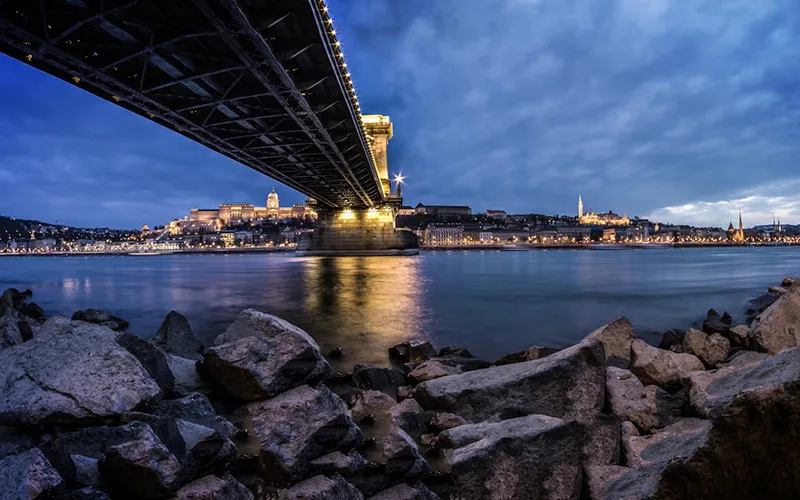 Budapest also comes under short breaks in Europe plans through its small sightseeing areas and cheap travel. River views, baths, and landmarks are close together. Budapest tour packages are ideal for the first-time traveler who can easily balance between “doing” and resting with minimal effort.
How to reach from Budapest airport: Shuttle buses and taxis
 Featured
Featured
Featured
8. Florence: Art In A Walkable City
Florence is a weekend break in Europe destination for travelers who want to explore on an intimate level. Art galleries, food streets, and landmarks are within walking distance. Because of this, Florence tour packages tend to have your stay somewhere central to minimize transportation around town. Culture sinks in better when you spend less time travelling.
How to reach from Florence airport: Tram and taxi rides
 Featured
9. Berlin: Space To Understand Modern History
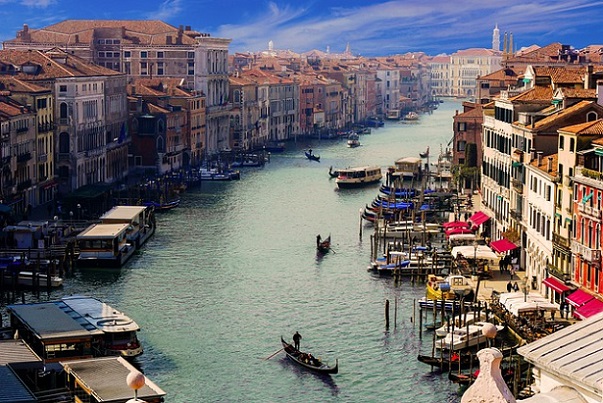
Neighborhoods are open, and transport lines run clearly, making Berlin one of the best city breaks in Europe. Museums and memorials are not centrally located but connect via easy Metro rides. Berlin packages are also flexible enough to accommodate first-timers. You appreciate modern history more when movement seems manageable and unhurried.
How to reach from Berlin airport: Express trains and the metro
 Featured
10. Madrid: Local Life That Feels Approachable
Madrid is one of the best winter in Europe trips because indoor museums and food culture continue to thrive there. But the neighborhoods are still walkable, vibrant, and well-networked. Madrid tour packages usually concentrate around central regions for the sake of a hassle-free commute.
How to reach from Madrid airport: Metro and airport buses
 Featured
 Featured
11. Zurich: Clean Streets And Smooth Transit
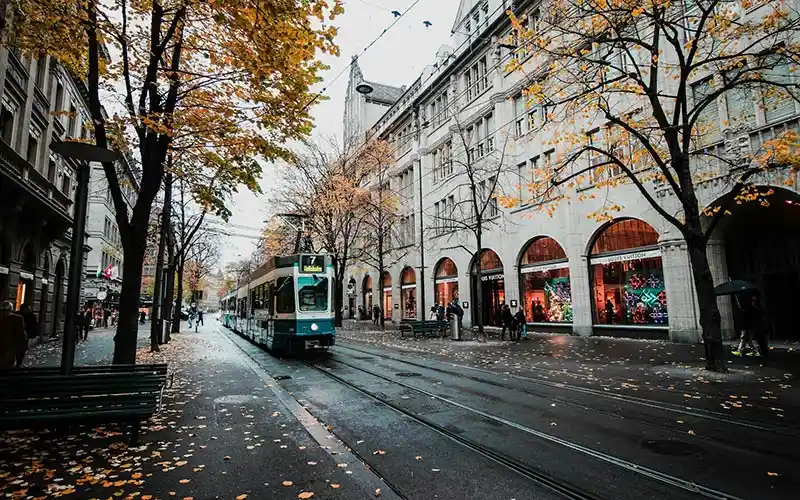
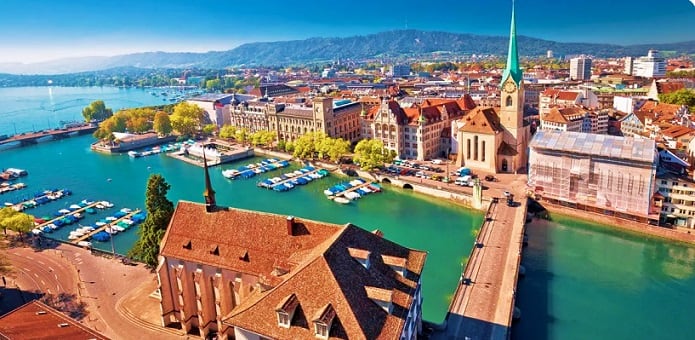
Zurich is a good city for a 2 Week Europe Itinerary as it has rapid trains and sights are easy to pack into sightseeing areas. Old town areas connect to the shoreside strolls and museums. You will often find Zurich holiday packages centered around centrally located accommodations for convenient travel. Time management becomes easier when the itinerary works exactly as you would expect it to.
How to reach from Zurich airport: Direct train services
 Featured
 Featured
12. Lisbon: Colorful Streets With Simple Routes
Lisbon accommodates you for easy travel on commuter trams wandering the major neighborhoods openly. For many tourists, Lisbon is beloved for its laid-back feeling and low-priced food. Opinions are more interesting when everyone follows the trail.
How to reach from Lisbon airport: Metro and taxi services
13. Copenhagen: Calm And Compact Living
Copenhagen is the destination for people who like it safe and predictable, small and efficient. It is perfect for biking and for public transportation. The majority of central attractions are concentrated and visitable in lazy sightseeing days.
How to reach from Copenhagen airport: Metro and train lines
14. Brussels: Culture Without Heavy Crowds
Museums, squares, and food culture are within easy walking distance of one another in Brussels. The city is less hurried than the bigger capitals. They are walkable, and there are direct transit links.
How to reach from Brussels airport: Train and taxi options
15. Munich: Traditions With Clear Structure
Munich has everything from medieval squares and modernist parks to thoughtfully arranged blocks of museums. The public transport is very good, and the road signs are easy to follow. Central areas keep sightseeing easy and convenient.
How to reach from Munich airport: S-Bahn train routes
Smart Tips That Actually Make European City Breaks Easier
- Opt for lodgings near a metro or tram stop, not necessarily close to see-worthy sites.
- Travel with only a small carry-on, as stairs, cobblestones, and older buildings will quickly slow you down with heavy luggage.
- Museum entry tickets in cities can be booked online before heading, so you won’t waste precious city break time trawling through queues.
- Get to know local transportation rules (like ticket validation and zone coverage) well in advance, so you don’t pay an unnecessary fine!
- Don’t pack in too much each day, as a slow afternoon will give you a better sense of the city than zipping past sites.
- Keep one flexible evening free in every city, allowing rest, weather changes, or spontaneous local experiences.
- Carry cash and cards, because many small cafes, bakeries, and transport kiosks will refuse to accept card payments.
- Be alert in popular tourist districts, particularly when using public transportation; pickpockets prey on naïve first-time visitors.
- Check closing times at the store and museum in advance, as most European cities close major attractions on certain weekdays.
- Start mornings early, as major tourist sites are much quieter before the tour groups arrive.
- Download offline maps and transit apps
Conclusion
First-time European travel is less daunting when cities have walkable sections, ease of transport, and straightforward daily planning. Begin at well-connected places, pick and plan stops judiciously, then book city breaks without hesitation to make the most of every travel day.
FAQs
