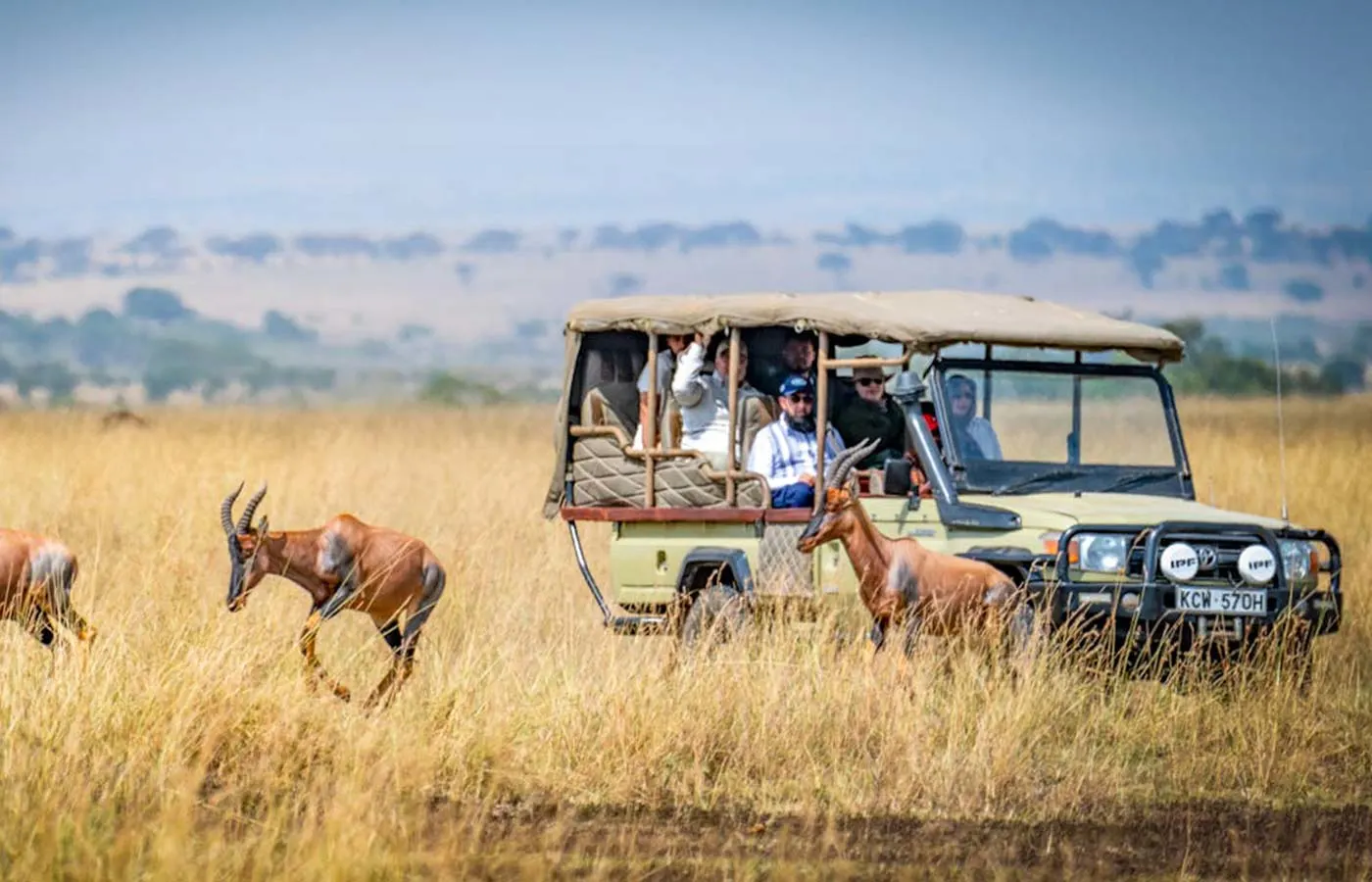
Whenever you start planning a Kenya safari, it’s easy to get confused and inquisitive. Park selections, wildlife seasons, costs, and logistics become perplexing without structure and help. This best safari in Kenya guide will help remove guesswork and provide a clear direction on how to go with your plans, and this begins here.
Understanding Safari Travel in Kenya
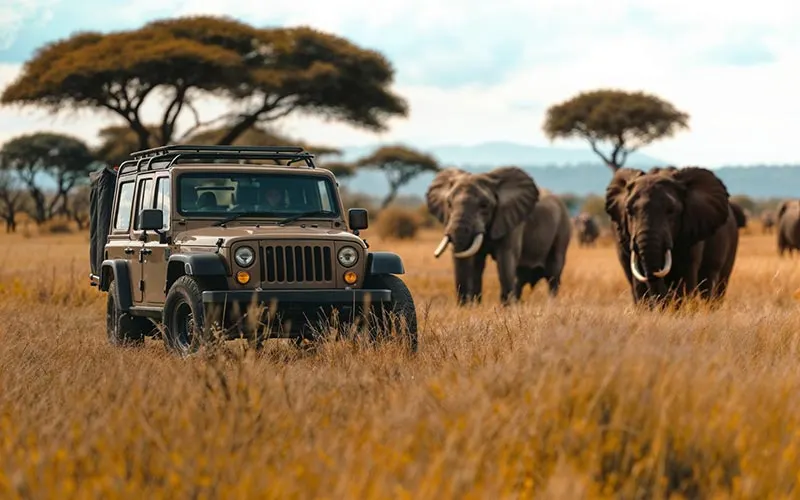
The safari travel is not dictated by any place, fixed attractions, or predetermined timelines. Animals follow water, grass, and temperature, and this fact means that speed is not an issue, but patience and planning are. A Kenya Safari is a kind of reward to visitors who know the value of taking things at a slow pace as opposed to having jam-packed schedules.
Game drives start early in the morning, usually before sunrise, when the predators are most active, and the temperatures are cool. Afternoons are less productive and give you a chance to rest, have a meal, and get ready for evening drives. The experience is not exhausting when it aligns with this rhythm and is also considered to be serene and regulated. Park distances seem short in the maps, but stretch because of the road conditions. Beginners can enjoy narrow ways that allow saving time spent on the road and more time in the reserve. Fewer parks often lead to richer wildlife encounters and better overall balance.
Best Time to Visit Kenya
Time or the season determines the visibility of wildlife, comfort, as well as the total cost of various areas and parks. The best time to visit Kenya should be based on what best suits your travelling interests and not on pursuing a so-called perfect season.
July to October: Peak Wildlife Season
This season presents the highest level of wildlife, especially in the open grassland. The mass movements of the animals, predators remain active for longer hours, and sightings seem frequent and dramatic.
- River crossings and large herd movement dominate wildlife behavior
- Higher visitor numbers increase vehicle presence inside reserves
- Accommodation availability tightens, requiring advance planning
- Costs remain at their highest across most park regions
This window suits travelers prioritizing wildlife density over quiet surroundings.
January to March: Balanced and Comfortable Travel
These are months when wildlife viewing is good, and there is no rush of peak crowds. There are clear skies that favour long game drives, and vegetation is usually low, letting you get clear views.
- Predator activity remains consistent throughout the day
- Fewer vehicles improve viewing space and photography comfort
- Landscapes stay green without blocking visibility
- Prices remain more moderate compared to peak months
This season works well if your goal includes comfort, flexibility, and solid wildlife exposure.
April to May: Low Season with Tradeoffs
This is the period of long rains, which influences the condition of roads and their mass accessibility. Wildlife is present, but movement is less predictable because of the tall grass and muddy tracks.
- Lower travel costs across lodges and transport
- Fewer tourists create quieter park environments
- Road travel becomes slower and less reliable
- Sightings vary daily and require patience
This season fits flexible travelers who accept uncertainty in exchange for value.
Choosing the Right Safari Route
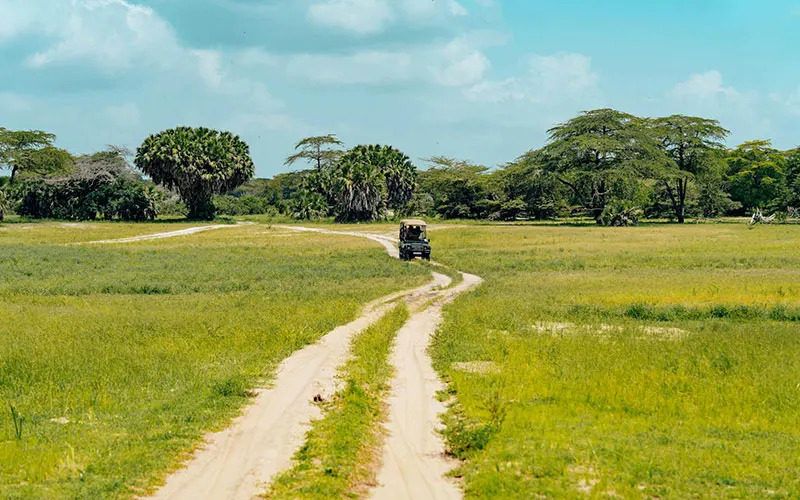 The route planning makes the difference between a relaxing trip and a rushed one.
- The safari in Kenya is well-organized in a way that it follows along a geographic stream and not too many parks.
- Fewer places are usually better in terms of wildlife time and minimal road fatigue.
- Minimal driving distance maintains the energy levels constant throughout the days of the travel.
- Southern routes are the most suitable when traveling first time because of logical park connections.
- The cores are balanced between the Masai Mara, Amboseli, and Lake Naivasha.
- The wildlife density remains elevated throughout the seasons in these areas.
- The roads are well-kept compared to those in the countryside.
- The northern reserves have unique species, but require a longer duration of travel commitments.
- Northern parks are usually tiring on short itineraries.
- The targeted routing enhances the comfort, sightseeing, and satisfaction.
Core Safari Parks for First-Time Travelers
Masai Mara National Reserve
Most of the best Kenya safaris are based in the Masai Mara due to the wildlife presence and the open game reserves. Lions are frequent, cheetahs hunt in broad daylight, and leopards are nocturnal and skillful hunters. The migration season brings magnitude, but powerful sightings are witnessed throughout the year. Full-day drives enable the guides to track the predators without breaking down the doors.
Amboseli National Park
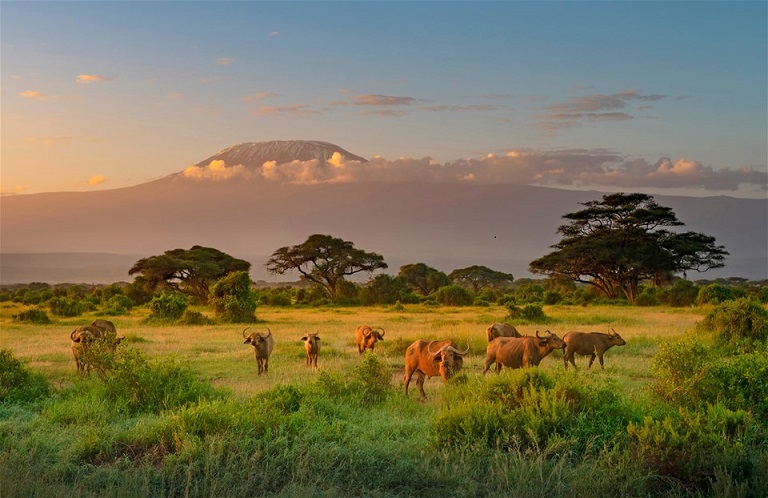
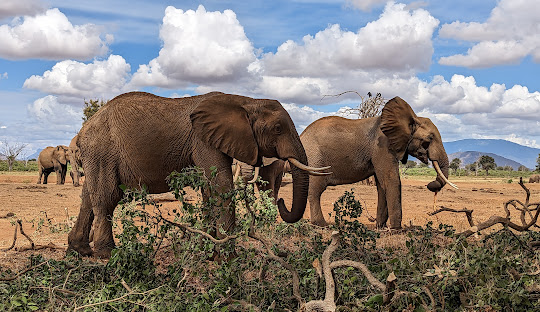
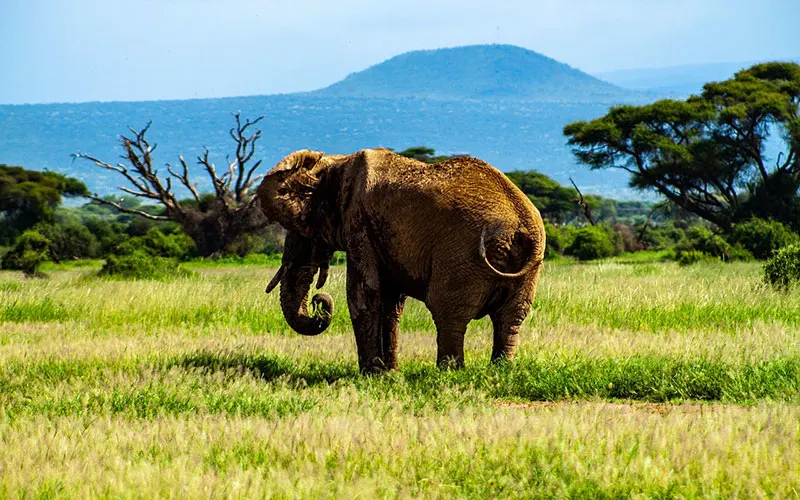 Amboseli revolves around a herd of elephants that travel between plains and swamps. Mount Kilimanjaro can be seen on clear mornings, which is seen as visually dramatic without the need to make any additional efforts. Plain lands make tracking easier and support short drives, thus allowing travelers to get accustomed to the pace.
Lake Nakuru and Lake Naivasha
Lake Nakuru provides reliable rhino sightings in a small reserve. This efficiency lowers the driving exhaustion and also fits the itinerary of a shorter duration. Lake Naivasha also incorporates boat safaris among the hippos and birds, interrupting the monotony of the usual vehicle tours and making the experience more refreshing.
Day-by-Day Safari Itinerary for First-Time Travelers
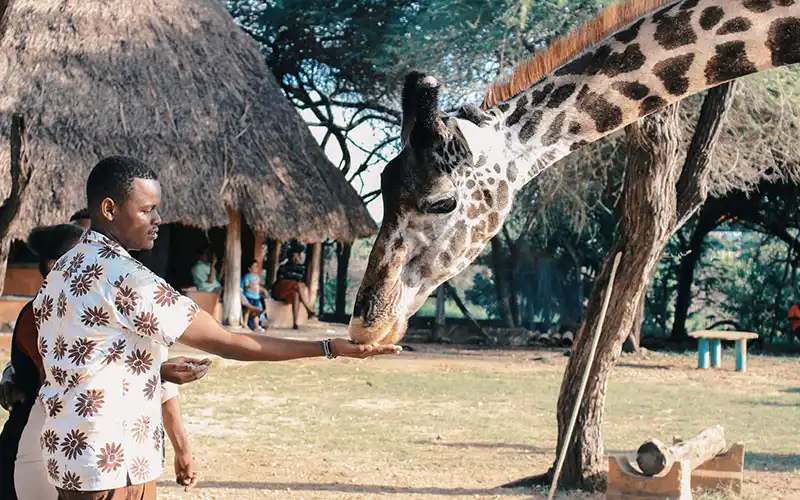 Day 1: Arrival in Nairobi
Arrival involves airport pickup and transferring to a city hotel to rest after travelling internationally. The day is dedicated to recovery, hydration, and adaptation to the time zones in the location. Light activity is only suitable if you have energy.
Day 2: Nairobi to Amboseli National Park
Travel south after breakfast across open land to Amboseli. You arrive in the middle of the day, then rest, and are followed by orientation. An afternoon game drive introduces elephants, plains wildlife, and vast open plains with the softer light.
Day 3: Full Day in Amboseli
The day is taken up with the morning and afternoon game drives that are scheduled according to the movement of wildlife and the weather conditions. Pre-dawn scenes usually show Kilimanjaro scenery behind grazing herds. Midday breaks let you rest and then resume activity in the evening, close to water bodies.
Day 4: Amboseli to Lake Naivasha
After breakfast, drive with a scenic view to the Rift Valley. Arrival gives a chance to have a leisurely boat safari among the hippos and birds. This transition day is a balance between driving and slow activities amid a picturesque environment.
Day 5: Lake Naivasha to Masai Mara
After breakfast, continue towards the Masai Mara, driving through the highlands and local homesteads. On arrival at the reserve, you will be led straight into game viewing. Evening game drives include vast plains, grazing herds, and early predator viewing.
Day 6: Full Day in Masai Mara
The focus of this day is game drives without time pressure. Guides trace lions, cheetahs, and leopards in familiar terrains. Picnic lunches in the reserve minimise lost time driving in and out.
Day 7: Masai Mara to Nairobi
The best safari experience in Kenya ends with one last sunrise game drive. Depart by road or plane for the return to Nairobi according to departure times.
Transportation Options During Safari
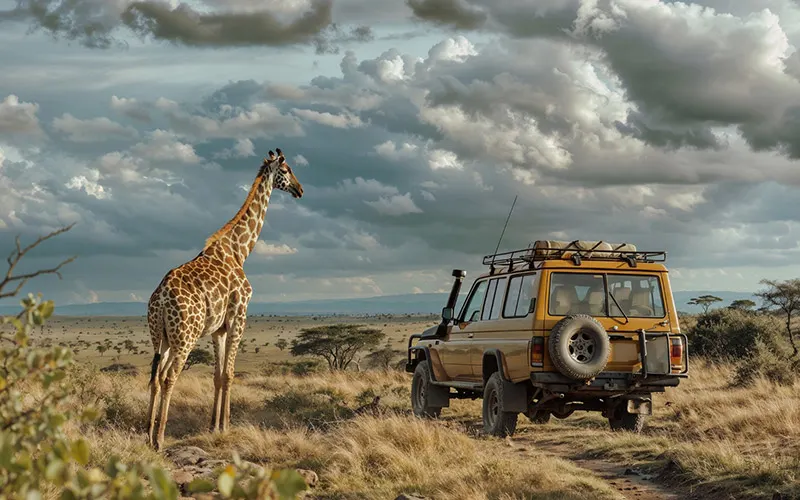
- Road safaris typically use pop-up roof vehicles, suitable for budget travel but limited to rough terrain.
- Four Wheel Drive vehicles improve comfort, suspension, and viewing height.
- Fly-in safaris reduce travel fatigue and maximize time inside reserves.
- Flights operate from Nairobi and land near lodges, eliminating long road transfers.
Transport choice directly affects energy levels, comfort, and overall satisfaction.
Accommodation Styles Explained
- Budget camps provide basic comfort with shared facilities and fixed meal schedules. These suit travelers prioritize wildlife over amenities.
- Mid-range camps offer ensuite tents, better food, and closer park access. This category balances comfort and cost-effectively.
- Luxury lodges focus on privacy, service, and prime locations. Wildlife quality remains similar, but comfort levels increase significantly.
Nairobi Before or After Safari
Whether planned appropriately, Nairobi will also enrich your trip. The Nairobi tour packages usually cover wildlife parks, museums, and cultural sites. Sightseeing with short city stays introduces history and local people. Guided tours help with easy logistics and safety issues. Unless it is high season, tourists can find peaceful experiences and hidden gems in Nairobi, such as craft markets and local cafes, and nature areas outside the main attractions.
 Featured
 Featured
Practical Planning Tips
- In Kenya, there is an electronic travel authorization system, which involves pre-arrival online submission. Processing can take time; hence, early application is of concern.
- The documentation of yellow fever may be used according to the travel history. The prevention of malaria is highly advised.
- Neutral colored clothes minimize the attraction of insects. Early morning drives are facilitated by warm layers.
- The wildlife sightings are diverse, even during the high seasons. Satisfaction is created by patience and flexibility rather than seeking assurances.
- Safari days start early and end early, and focus on animal life as opposed to nightlife. Understanding this rhythm prevents frustration.
- When expectations align with reality, every sighting feels earned and memorable.
Budget Planning for First-Time Travelers
- The daily costs depend on the season, the level of accommodation, and the type of transport.
- Group tours are less expensive but do not offer the flexibility and individual pace.
- The cost of the private safari is higher, but the schedules can be custom-made and photo-centered.
Conclusion
Kenya favors well-planned travellers who respect the culture and rhythm. It is a hassle-free and significant journey with targeted paths, an intelligent schedule, and realistic expectations. You can use this guide to plan confidently and be ready for an experience of a lifetime.
