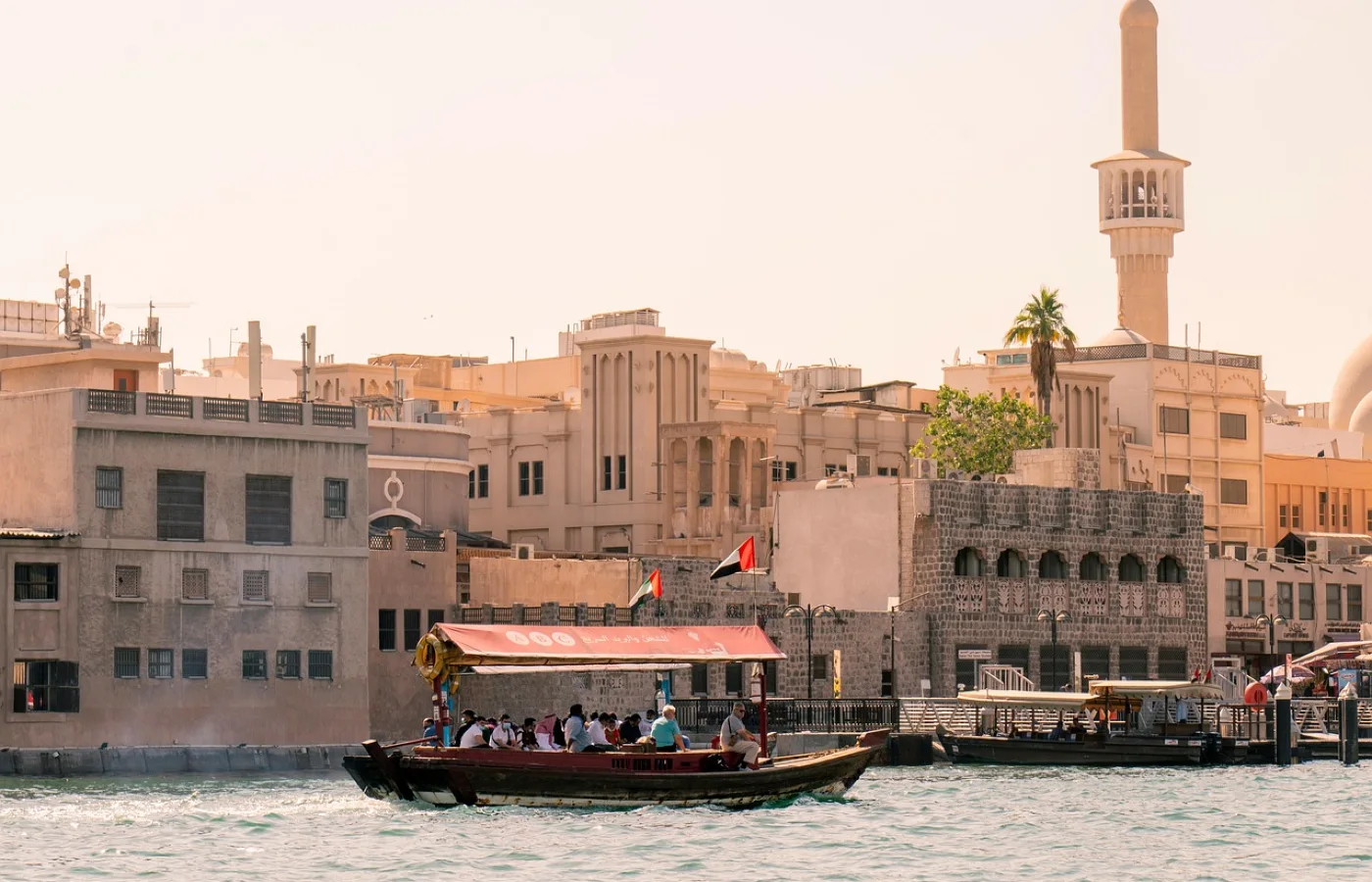
Dubai is usually associated with glamorous high-rise buildings, luxurious hotels and resorts, stylish fine-dining restaurants, plush and expansive shopping malls, and world-class theme parks. But not many are aware of the other side of the city, namely the place that preserves its humble beginnings. The Al Fahidi Historical Neighborhood is the emirate’s oldest neighborhood. It is here where the Arabs settled after moving away from their desert dwellings. The Al Fahdi Historical Neighborhood, formerly called the Bastakiya Quarter, preserves the way the city looked and felt when it was a simple fishing village. If you are on a Dubai tour, a visit to this place is a must, especially if you are a history buff. Check our Dubai tour package price to get a detailed itinerary when travelling to Dubai.
History of Al Fahidi Historical Neighborhood
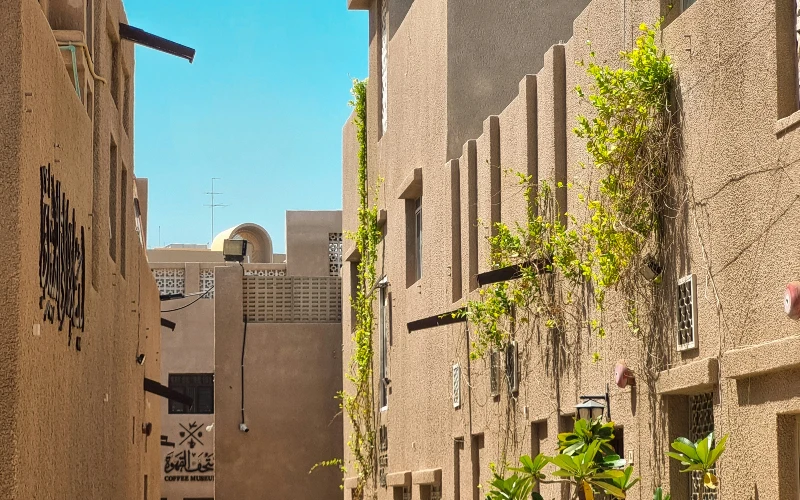
The history of Al Fahidi dates back to the late 18th century. Its proximity to the Dubai Creek attracted Persian merchants from Iran to shift here for better trading opportunities. The first to come up were the traditional homes made of gypsum, coral, sandalwood, and teak. Almost all the houses here have wind towers and barajeel that helped wind to enter the homes and keep them cool during summer days and nights, before air-conditioners came into the picture.
In the late 20th century, when Dubai was going through a modern transformation, the Al Fahidi area was in the brink of facing demolition. Due to the efforts of local heritage activists, this was stalled and restoration and preservation efforts were made. Today, the Al Fahidi Historical Neighborhood, is the strong reminder of the modest Dubai during the pre-oil era. As you walk around its narrow, cobbled streets of the Old City, you will get to see a variety of attractions and experiences, some of which are lesser known facts about Dubai.
Things to See and Do in Al Fahidi Historical Neighborhood
Almost all Dubai travel packages and itineraries offer a tour to Al Fahidi or some of the most prominent attractions of the Old City. It is recommended to spend a whole day or at least half a day to explore its many attractions. With this note, let us look at the best things to see and do in Al Fahidi Historical Neighborhood.
Al Fahidi Fort and Dubai Museum
When you are visiting Old Dubai, it would be best to start your tour with the oldest building in the city. We are talking about the Al Fahidi Fort, which was built in 1787. In the beginning, it was used as the residence of the royal family, followed by a place to store weapons as well as a prison. It was 1971 that the fort was transformed into a museum. Today, the Dubai Museum is a time capsule that preserves the history and culture of Dubai. The exhibits showcase the life of Arabs before oil was discovered. You will get to see replicas of Bedouin-style homes, souks, mosques, date farms, and so much more here. You will get to know how the Arabs dressed, their occupations, and how they lived in this museum. The Dubai Museum also traces the growth of the city from a fishing village to the modern metropolis it is today through an audio-visual presentation.
Timings: 8.30 AM to 8.30 PM (Saturday to Thursday) and 2.30 PM to 8.30 PM (Friday)
Entrance Fee: AED 3
Sheikh Mohammed Centre for Cultural Understanding
If you are truly interested to know about the culture and heritage of the UAE, visiting Sheikh Mohammed Centre for Cultural Understanding is one of the best things to do in Old Dubai. Started in 1998, the SMCCU strives to educate tourists about the culture, customs, and heritage of the country. SMCCU offers plenty of tour options to choose from. The Heritage Tour is one of the most popular, as a professional guide takes you around the heritage and cultural buildings of the city and tells you about their history and significance. You will also get to have an interactive session about the tradition, culture, and customs of the region while enjoying Arabic coffee and dates.
Another popular option here is the Cultural Meals, where you can relish a hearty Emirati breakfast, lunch, or dinner while engaging in meaningful discussions. Some other packages available here are Jumeirah Mosque Visit, Culture on Wheels, Desert Friends, Dinner Under the Starts. SMCCU’s motto, Open Doors, Open Minds, ensures that you are free to ask all kinds of questions about the religion and culture, even the most sensitive ones.
Timings: 9 AM to 5 PM (weekdays) and 9 AM to 1 PM (Saturdays) (Specific tours and experiences have different timings. You can choose them as per your convenience)
Entrance Fee: Depends on the tours and experiences you choose
Coffee Museum
The Al Fahidi Historical Neighborhood is home to an array of interesting museums, one of the most popular being the Coffee Museum. As the name suggests, the museum traces the history of coffee, right from the time of its origin. Here, you will get to know how a goat herder named Kaldi accidentally discovered coffee beans in Ethiopia and how it travelled across the world to become one of the most favorite beverages.
The exhibits of the Coffee Museum also give you the chance to check out the different coffee grinders and artefacts used in different parts of the world across the centuries. You will know about numerous coffee roasting and grinding methods here. At the end of your visit, do visit the café to relish a delicious cup of coffee. There is also a Museum Shop here, where you can buy coffee related equipment like milk jugs, tampers, latte art pens, and many other coffee related memorabilia.
Timings: 9 AM to 5 PM (Friday closed)
Entrance Fee: Free
Coins Museum
Another interesting museum that not many people know about in Al Fahidi is the Coins Museum. The museum is located inside one of the traditional homes in the district, adding to its charm. At the Coins Museum, you will get to see around 470 coins from the Islamic world, dating back to the 7th century. The coins are not just from the Arabian Peninsula but also from North Africa, Persia, Egypt, Iraq, the Levant, Andalusia, and Turkey. As you walk into each of the rooms of the museum, you will get see different types of coins from various eras displayed in glass cases. You can check out these coins closely with the help of a magnifying glass and also learn about each one of them, including their origins, historical context, and inscriptions through a touchscreen placed near every case.
Timings: 8 AM to 2 PM (Friday closed)
Entrance Fee: Free
Arabian Tea House Dubai
As you are exploring the history, culture, and traditions of Dubai, it makes true sense to enjoy its delicious, authentic food as well. One of the best places to savor the authentic Emirati cuisine is at Arabian Tea House in Al Fahidi Historical Neighborhood. This restaurant is located inside a traditional Emirati home complete with a shaded courtyard, white and blue décor, lace curtains, and rustic wooden furniture. Here, you will get to experience Arabic hospitality while trying out some of the best Emirati dishes. Some of the must-try dishes from the menu here are grilled kebabs, machboos, mohalla, regag bread, salona, and more. You will also get to savor more than 150 types of tea, coffee, and other drinks here.
Timings: 7 AM to 11 PM
Entrance Fee: No Fee but a meal for two can cost anywhere between AED 50-100
Conclusion
The Al Fahidi Historical Neighborhood gives you a glimpse into a facet of Dubai that not many know about. Offering one of the best day trips in Dubai, Al Fahidi is the place you must visit if you want to see beyond the glitz and glamor of this emirate.
