Tourism across the Middle East has entered a period of uncertainty in 2026 as geopolitical tensions and aviation disruptions influence traveler confidence and travel planning. While the region remains one of the world’s fastest-growing tourism markets, the evolving situation has prompted travelers to take a more cautious approach when booking international trips.
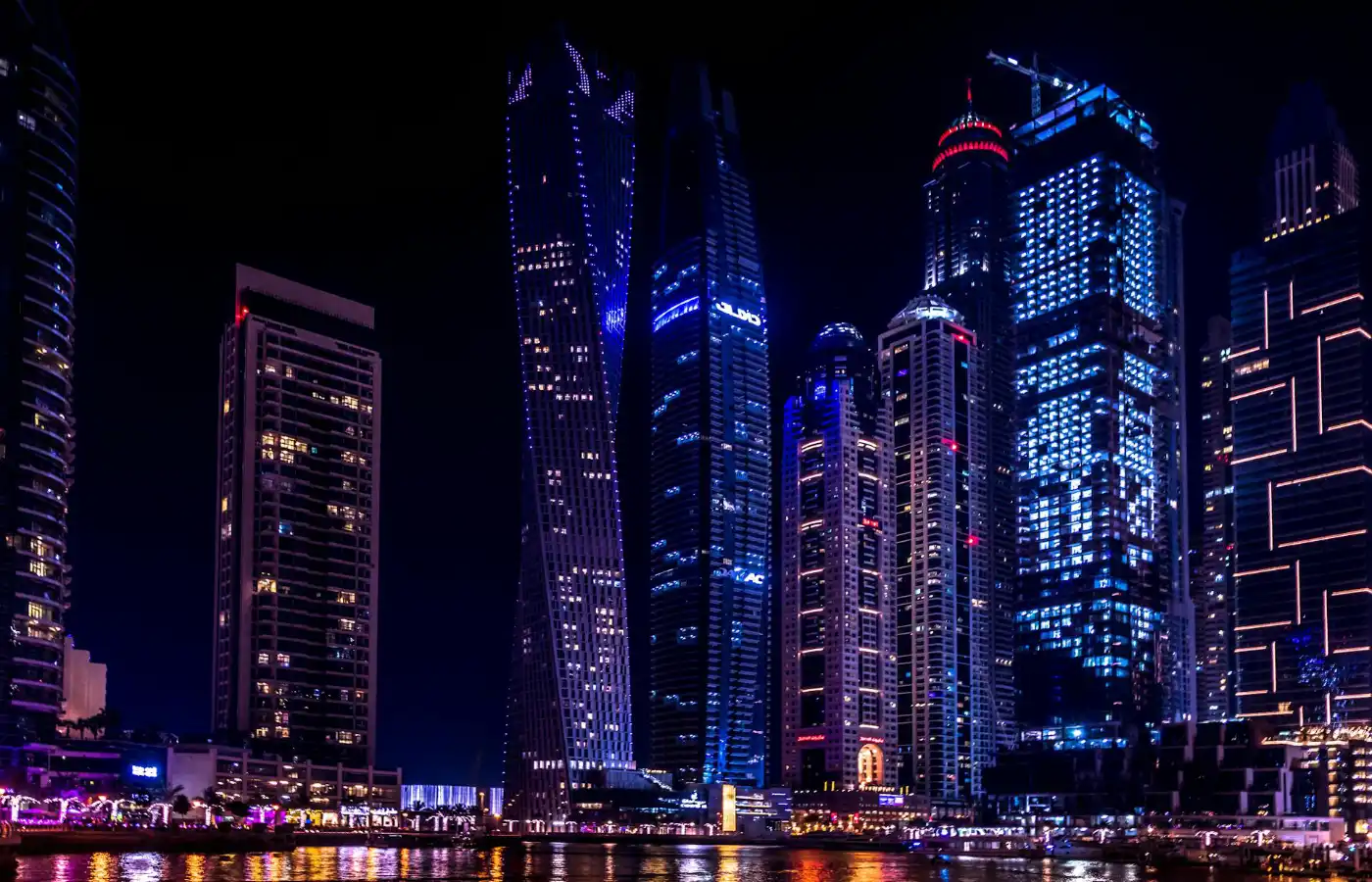
The Middle East has experienced significant growth in tourism over the past decade. Destinations such as the United Arab Emirates, Saudi Arabia, Qatar, and Oman have invested heavily in tourism infrastructure, cultural attractions, and global events. Cities like Dubai and Abu Dhabi have emerged as major international tourism hubs attracting millions of visitors every year.
However, regional tensions and aviation advisories have introduced uncertainty into the travel market. Airline disruptions, airspace warnings, and shifting geopolitical developments can influence travel decisions, particularly for long-haul tourists.
Travel industry analysts note that when geopolitical events affect aviation routes, it often leads to temporary fluctuations in tourism demand. Travelers may delay bookings or choose alternative destinations until the situation becomes clearer.
At the same time, tourism authorities across the Gulf emphasize that destinations remain open to visitors and continue to operate normally. Airports, hotels, attractions, and transportation systems remain fully functional across major tourism cities. It is also worth noting that cities such as Dubai and Abu Dhabi have invested heavily over the years to create safe, well-regulated environments for residents and visitors alike, and continue to uphold these standards even during unprecedented times.
The Dubai Department of Economy and Tourism advises visitors to rely on official sources for travel information and updates. According to official guidance, travelers should always check airline notifications, local authority announcements, and embassy advisories before traveling.
Dubai, in particular, continues to welcome international visitors and host global events, conferences, and exhibitions. The city’s tourism infrastructure includes world-class airports, hotels, attractions, and public transport systems designed to accommodate millions of visitors each year.
Despite the current uncertainties, the long-term outlook for Middle East tourism remains strong. The region has invested heavily in large-scale tourism initiatives, including Saudi Arabia’s Vision 2030 tourism projects, Qatar’s global sporting events, and Dubai’s ongoing tourism expansion.
Tourism experts note that the Middle East has demonstrated resilience during previous global disruptions, including economic downturns and the COVID-19 pandemic. The region’s strong aviation connectivity and hospitality infrastructure allow it to recover quickly once travel confidence stabilizes.
For travelers planning trips to the Middle East, the most important factor is staying informed. Monitoring airline schedules, checking government advisories, and booking flexible travel options can help travelers manage uncertainties.
Travel agencies and tour operators are also advising clients to stay informed about official travel updates and to ensure they have proper travel insurance coverage. These precautions help minimize potential disruptions while allowing travelers to continue exploring international destinations.
While geopolitical developments may temporarily affect travel patterns, the Middle East remains a key global tourism destination. With continued investment in tourism infrastructure and international events, the region is expected to maintain its position as a major hub for global travelers.